Did you know that nearly half of American homeowners spent time gardening in a single year? Growing flowers or vegetables is one of the most rewarding hobbies there is, and it starts with what's underfoot.
~49%
of U.S. homeowners garden in a typical year
2 ft
How deep to dig to check your native soil
1:5
Sand to potting soil, a common gardener's rule
The Importance of Topsoil
Gardening is an art and a science. Like any art, it starts with the medium, and in gardening that medium is topsoil. Topsoil is a living ecosystem full of tiny spaces called pores that let water and nutrients move to roots or stay where roots can reach them.
Topsoil needs a healthy mix of sand, clay and organic matter. Too much sand and rainwater rushes past roots before plants can drink.
Create an Ecosystem
A gardener doesn't grow plants. A gardener gives plants the best environment to grow themselves.
Like cooking, a great garden is about balancing ingredients:
✔ Water (moisture)
✔ Minerals
✔ Organic matter
✔ Humus (partially decayed organic matter)
✔ Aggregate (for structure and pore space)
✔ Airflow
✔ Worms, bacteria and insects that mix and release nutrients
Start with What You've Got
Grab a spade and dig about two feet down where you plan to garden. Dark, crumbly soil that falls apart in your hand is rich in organic matter and a great sign. Here's how to read the rest:
Sandy or silty soil
• Sand: gritty, drains fast; great for watermelons and other sand lovers
• Silt: fine particles, common near rivers
• Both run low on organic matter
• Prone to erosion
Clay or loamy soil
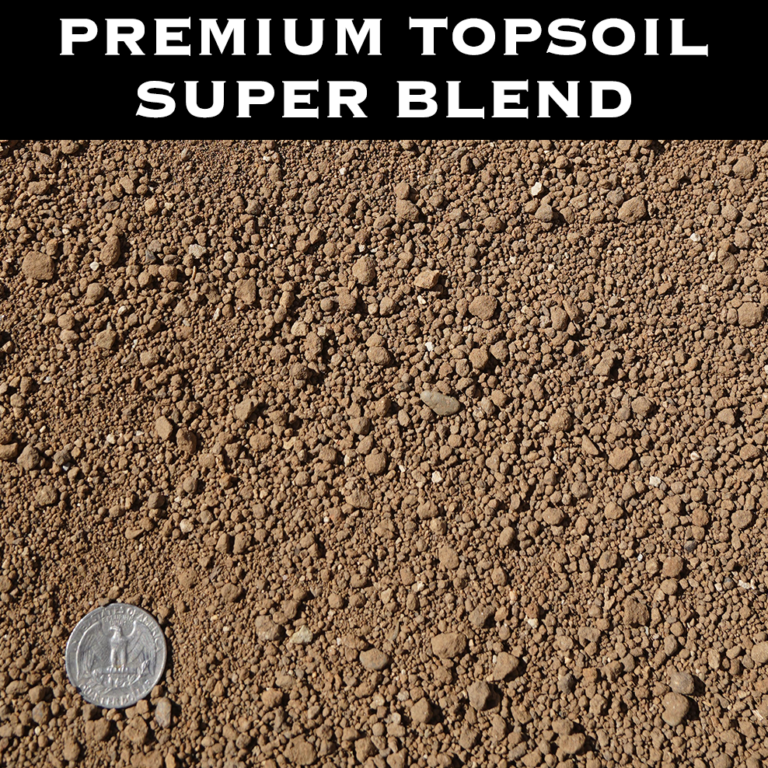
• Clay: reddish-brown, dense, drains poorly
• Clay can cause root rot and mold
• Loam: a balanced mix of sand, silt and clay
• Loam is ideal for most gardens
💡 Pro tip: If your topsoil is chunky, pale and dense, you may be looking at subsoil exposed by erosion. A raised bed filled with fresh soil is often the fastest fix.
Raised Beds: A Wise Decision
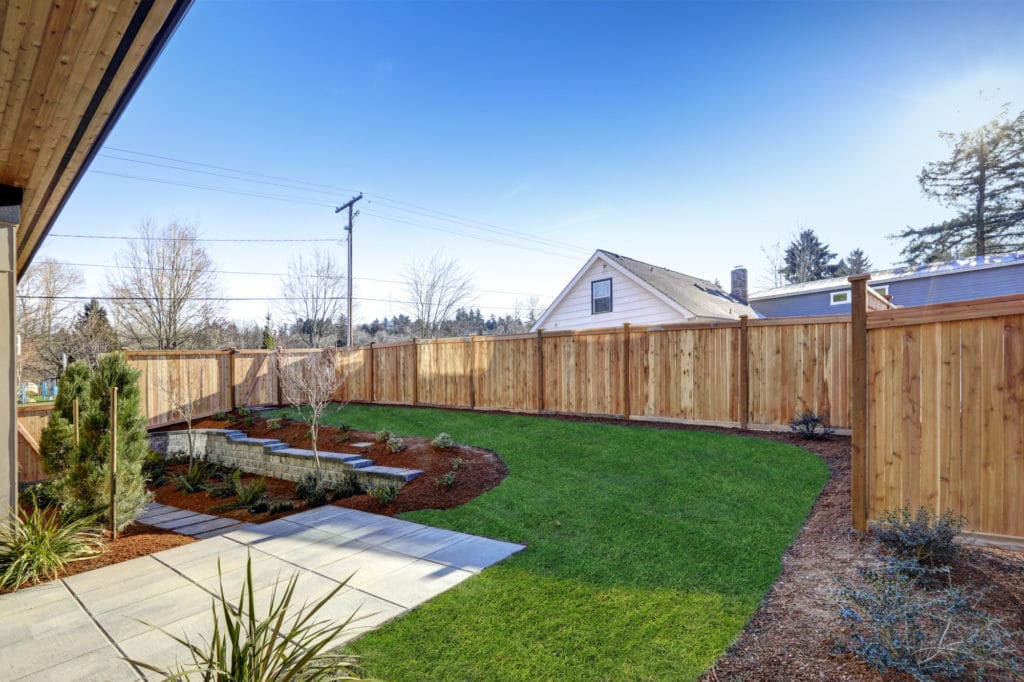
With a raised bed you know exactly what's in your soil. They also look great, especially with curved edges. Plan what you'll plant and where before you build, and leave room for plants to grow.
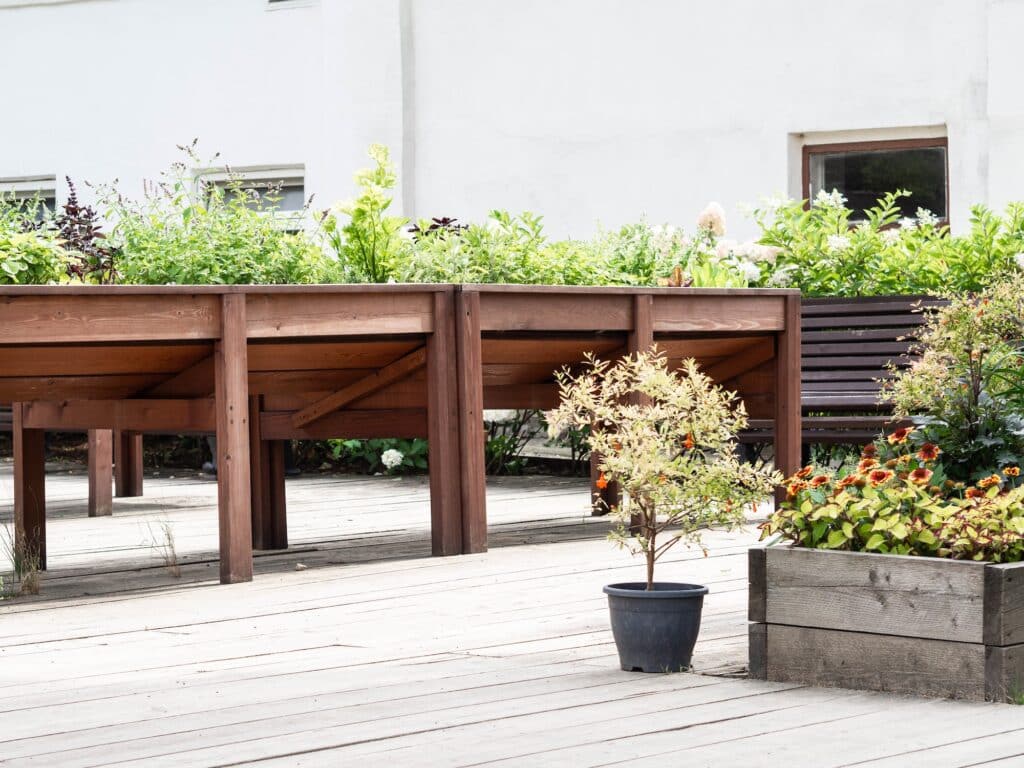
Raised beds let you control your soil from day one.
Building Your New Garden
1
Clear the area
Till and remove grass and weeds so nothing blocks roots or reseeds.
2
Build the walls
Stacked stone, brick or boards on stakes all work. Landscape edging is a quick option.
3
Fill with the right soil
Mix the right blend for what you're planting, and use our soil calculator to figure out how much you need.
4
Plant
Get creative, and leave space between plants for healthy growth.
5
Mulch
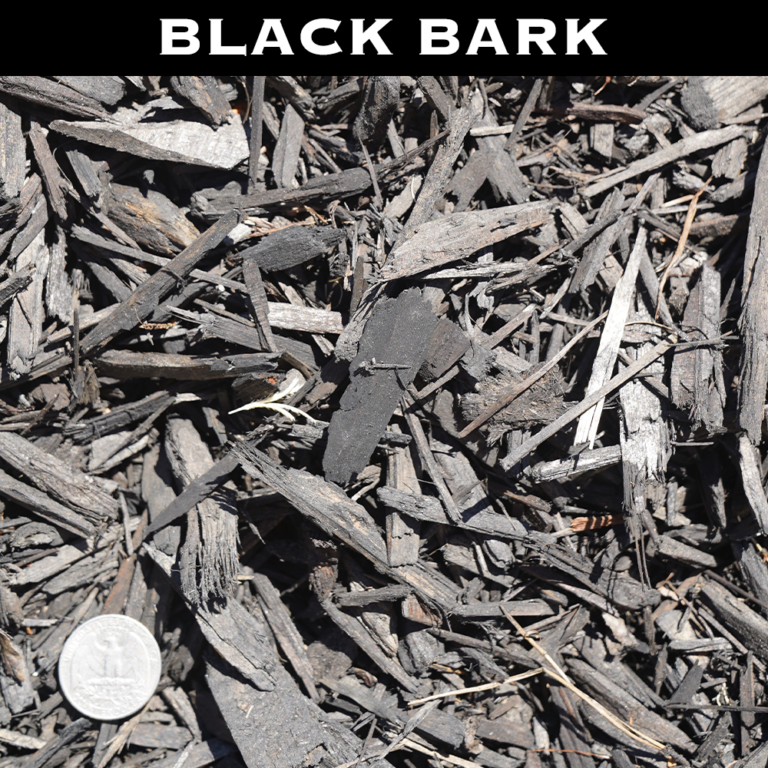
Finish with red or black bark to prevent erosion, protect from frost and block weeds.
Why Get Your Garden Soil Delivered?
A new garden takes a lot of soil. Buying bag by bag at a retail store, loading your truck and hauling it home costs you time, labor and usually more money.
Buy in bulk, save in bulk
Bulk garden soil delivered to your project gets you top-quality soil at a better price per yard, dropped right where you need it.
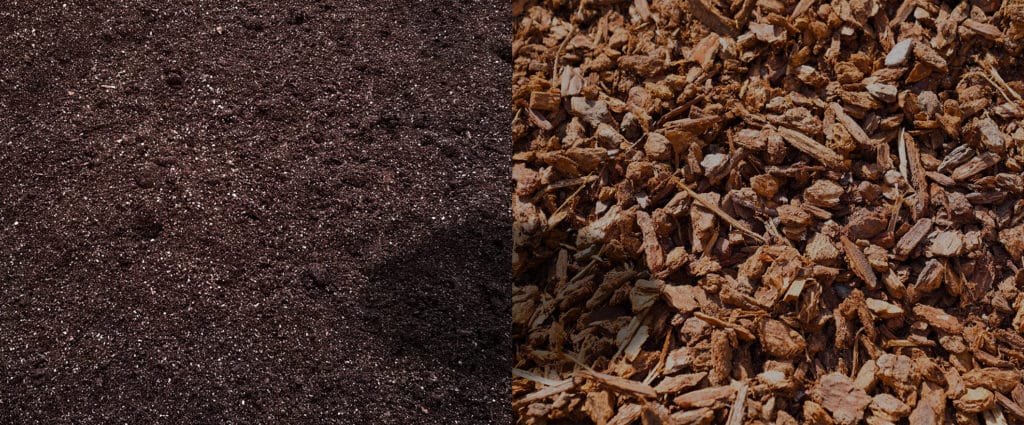
Garden Soil Delivery in Sacramento
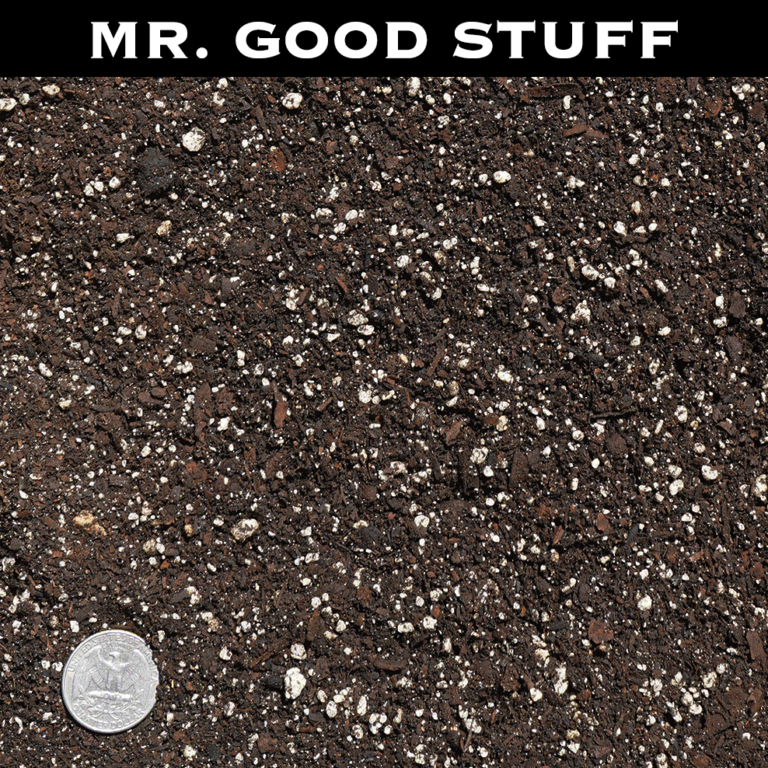
Even if you've never gardened a day in your life, a great garden is within reach. If you're in the Sacramento area, Mr. Good Stuff is your one-call shop for topsoil, growing soil, compost and bark.